Free initial consultations
An honest conversation about your situation, what your options look like, and what it will cost — at no charge and no obligation.
For over twenty years, Thomas H. Wright III has represented clients across the Palm Beaches with a calm, straightforward approach. Family law, criminal defense, contracts, and personal injury — handled personally, not handed off.

Most legal problems don't get solved by being the loudest person in the room. They get solved by being prepared, being reasonable, and knowing when to push and when to wait.
I've practiced in South Florida for over twenty years. In that time I've learned that aggression for its own sake usually costs clients more than it earns them. That's especially true in family law, where people are already going through the hardest stretch of their lives. A friendlier approach, taken seriously, gets better results.
Clients find me almost entirely through word of mouth. They send their friends, their family, their coworkers. I've kept it that way on purpose. If you call, you'll talk to me. If you hire me, I'm the one handling your matter.
I'll tell you what your case actually looks like, what it will cost, and what to expect. No surprises billed by the hour.
The right answer is usually the practical one. I'll fight when fighting is the move. I'll settle when settling serves you better.
No junior associate you've never met running your file. Solo practice means personal attention from start to finish.
The bulk of my practice. Divorce, custody, support, paternity, and the agreements that come before and after. I work hard to keep these matters out of the courtroom when that serves the family, and I'm prepared when it doesn't.
If you've been arrested or are under investigation, the first call matters. I represent clients facing misdemeanor and felony charges in state court across Palm Beach County and the surrounding circuits.
Drafting, reviewing, and litigating contracts. Most disputes are made in the wording, and most wording can be fixed before it becomes a dispute. I help clients on both ends of that timeline.
When an accident upends your life, the insurance company's first call is not on your side. I handle personal injury matters on contingency — you pay nothing unless we recover.
Alongside the firm's general practice, I also handle civil-rights matters in both federal and state court. Cases brought against government officials and public agencies when constitutional rights have been violated, public records have been wrongfully withheld, or open-meeting laws have been broken.
The clients are usually individuals: a parent whose public comment was cut off when the pastor's was not; a permit applicant denied because of viewpoint; a constituent blocked by an elected official's social media account; a requester sitting on a 90-day-old Chapter 119 request and a six-figure fee estimate. The pattern across these cases is the same; an institution applied a rule unevenly, and the law says it cannot.
Civil rights work is also offered on the defense side. I have worked with municipalities, school boards, and special districts to audit their public-records procedures, social media policies, and forum-access rules before exposure becomes a complaint. The doctrine doesn't change depending on who is paying; only the work product does.
When government opens a forum, it cannot choose the speakers. Public-comment exclusions, discriminatory permit denials, school-district display policies, and invocation rules that admit some viewpoints while excluding others.
Florida has one of the strongest public-records regimes in the country. It is also one of the most routinely violated through delay, improper redaction, and inflated fee estimates. Section 119.12 provides for attorney's fees to the prevailing requester, which is how most of these matters are funded.
The Supreme Court's two-prong test: a public official's social media activity is state action when the official (1) possesses actual authority to speak on the government's behalf and (2) purports to exercise that authority in the relevant posts. Most Florida municipalities have not adjusted.
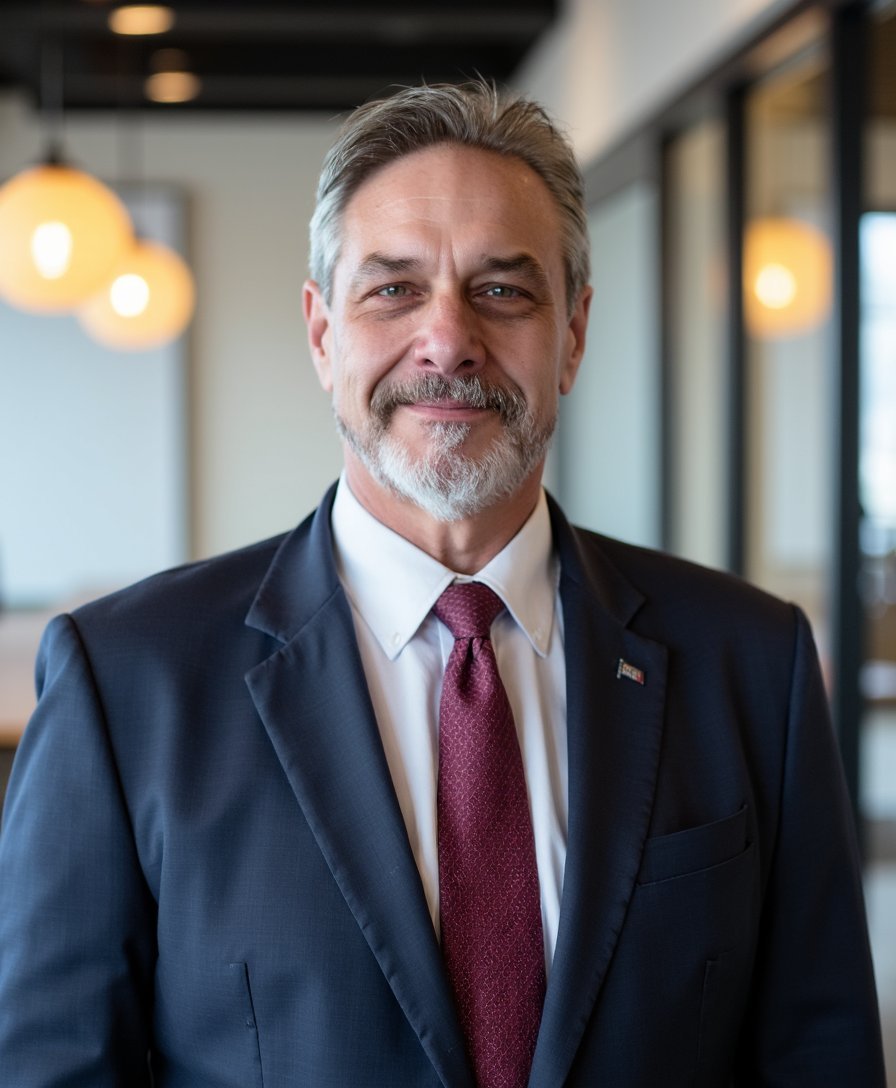
The path to a law practice rarely runs in a straight line. Mine certainly didn't.
I began as a mechanical engineer, then moved into audio engineering — which sounds like a left turn, but both fields share the same discipline of getting something exactly right before you sign your name to it. That habit carried into law. Along the way I picked up trades that most attorneys never touch: I'm a machinist and a luthier, and I still build instruments when the practice allows.
Before law school, I worked as an editor for the Florida House of Representatives during the state's first reapportionment, serving under the senior clerk. It was an early lesson in how legislation actually gets written, and in how much of the work happens in the quiet, careful drafting that nobody else sees.
I've been practicing law in South Florida for over twenty years, primarily in Boca Raton and the Palm Beaches. For fifteen of those years I was a partner at Siegel, Siegel & Wright. About seven years ago I opened my own firm, Thomas Wright, P.A., so I could practice the way I wanted to — directly, with fewer layers between me and the people who hire me.
I'm not going to oversell it. I don't have a long list of publications or board certifications, and I don't claim to. What I have is twenty-plus years of clients who, by and large, walked away happy. In two decades of practice I can't remember a disgruntled client. That's the credential I care about.
For matters with a clear scope — uncontested divorces, expungements, contract drafting, and similar — a flat fee gives you a predictable price up front, with no hourly meter running.
For matters that can shift in scope as they develop — contested family law, complex litigation — hourly billing with regular, transparent invoices. You'll always know where things stand.
For personal injury cases, no fee unless we recover on your behalf. The cost of bringing the case is mine; the recovery, when it comes, is yours.
The easiest way to start is a phone call or an email. I read everything that comes in personally, and I return calls quickly.
Office hours are Monday through Friday, 9 to 5. For genuine emergencies, I take calls outside those hours and on weekends — please use the phone number for anything urgent.
Pick whichever works best. I answer everything myself.